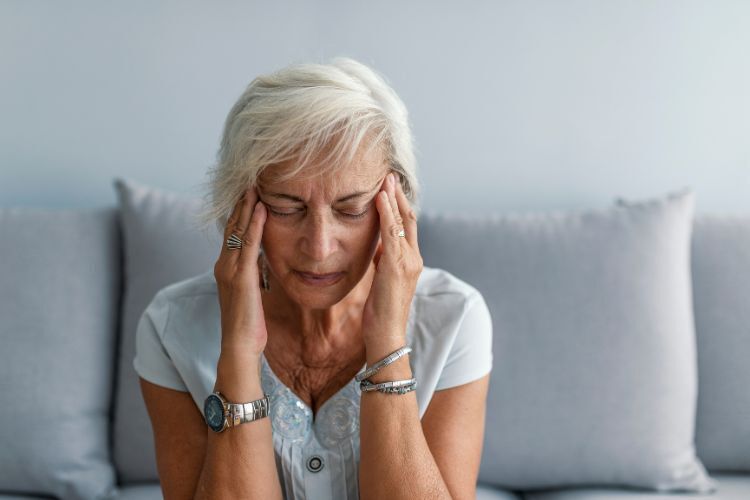
If you have ever cancelled plans because of a pounding head, you already know how disruptive headaches and migraines can be. For many people in Marlow and the surrounding villages, these episodes become a monthly, weekly or even daily part of life. Cranial osteopathy for headaches is one of the gentlest and most effective approaches we offer at Hands on Health, and it is worth understanding why it works before you decide whether it is right for you.
At our Marlow clinic, cranial osteopathy is delivered by Ann Thompson, our senior osteopath and cranial specialist, who has spent more than fifteen years helping patients find relief from persistent head pain. This article explains what cranial osteopathy involves, how it differs from other headache treatments and why so many of our patients return to it again and again.
Tension Headaches and Migraines Are Not the Same Thing
Before looking at treatment, it helps to know what you are actually dealing with. A tension headache typically feels like a tight band around the head, often building gradually and linked to stress, poor posture or jaw clenching. A migraine, by contrast, is usually more intense, often one sided, and can bring nausea, sensitivity to light and sound, or visual disturbance.
Many patients describe symptoms that overlap both categories, which is one reason head pain is so often mismanaged. Painkillers can mask the symptom without addressing what is generating it in the first place, which is where a hands on, whole body approach becomes valuable.
What Is Cranial Osteopathy?
Cranial osteopathy is a subtle, hands on technique that assesses and releases tension in the tissues surrounding the skull, neck, jaw and upper spine. Despite the name, it is not limited to the head. Practitioners like Ann look at how the whole body moves and holds tension, because restrictions in the neck, shoulders or even the lower back can refer pain upwards and contribute to headaches.
Using very light, precise contact, Ann assesses the subtle rhythms and tensions within the body's connective tissue and fluid systems. The technique is calm and unhurried, which is often part of why patients find it so soothing, even before any physical change is felt.
How Does Cranial Osteopathy Work for Headaches and Migraines?
So how does cranial osteopathy actually help reduce head pain? There are a few connected mechanisms at play.
Releasing tension at the source. Many headaches originate from tightness in the muscles at the base of the skull, across the jaw, or through the upper neck. Cranial osteopathy gently eases these restrictions, which can reduce the frequency and intensity of tension type headaches significantly.
Calming the nervous system. The slow, light touch used in cranial work encourages the nervous system to shift out of a stressed, guarded state. Since stress is one of the most common migraine and tension headache triggers, this calming effect alone can make a noticeable difference.
Improving circulation and drainage. Restricted movement in the neck and skull base can affect blood flow and fluid drainage around the head. By easing these restrictions, cranial osteopathy may help reduce the build up of pressure that many patients associate with their headaches.
Addressing whole body patterns. Because Ann assesses posture and movement throughout the body, treatment often uncovers contributing factors patients had not connected to their headaches, such as an old shoulder injury or a habitually tense jaw from clenching at night.
It is worth noting that cranial osteopathy is not a guaranteed cure for migraines, and anyone experiencing sudden, severe or unusual headaches should always be assessed by a GP first to rule out other causes. What we offer is a well established, evidence informed complementary approach that many patients find genuinely helpful alongside their existing care.
What to Expect from a Session at Hands on Health
Your first appointment with Ann will begin with a thorough conversation about your headache pattern, triggers, medical history and any previous treatments. This is followed by a physical assessment of your neck, jaw, shoulders and spine, since these areas are frequently involved in referred head pain.
Treatment itself is gentle. Many patients are surprised by how light the pressure is, and some notice an immediate sense of release, while others feel the benefits build gradually over a course of sessions. Ann will always explain what she has found and what she recommends, so you understand the reasoning behind your treatment plan rather than simply being told to come back.
We know that finding time for appointments can be a barrier when you are already dealing with pain and a busy schedule. That is why we offer evening appointments through the week and Saturday slots, along with free parking at our Marlow clinic, so getting the help you need is as straightforward as possible.
Who Can Benefit from Cranial Osteopathy?
Cranial osteopathy for adults is suitable for a wide range of patients, from those with occasional tension headaches to people managing chronic migraines that have not responded well to other treatments. It is a particularly good option if you would prefer a non-invasive, drug free approach, or if you are looking to complement medication you already take.
Many of our patients come to us after trying various painkillers with limited long-term success, or after being told their headaches are simply linked to stress with no further guidance. Cranial osteopathy offers a more investigative approach, looking for the physical contributors that may be driving your symptoms rather than only easing the pain in the moment.
How Many Sessions Will You Need?
This is one of the questions Ann hears most often, and the honest answer is that it varies from person to person. Some patients notice a change after their very first appointment, particularly with tension headaches linked to an obvious trigger such as jaw clenching or a stiff neck from desk work. Migraines, being more complex, often respond better to a short course of three to five sessions, spaced a week or two apart, so Ann can track how your body is responding and adjust her approach accordingly.
It is also worth setting realistic expectations. Cranial osteopathy works with your body's own capacity to release tension and restore balance, so progress is sometimes gradual rather than instant. Keeping a simple diary of your headache frequency, severity and possible triggers in the weeks before and after treatment can be genuinely useful, both for you and for Ann, in judging how well the approach is working.
Supporting Your Recovery Between Sessions
Cranial osteopathy tends to work best as part of a broader picture of self-care rather than as an isolated fix. Ann often talks through simple, practical adjustments alongside your treatment, such as reviewing your desk setup if you spend long hours at a screen, checking your pillow height if you wake with a stiff neck, or noticing patterns around meals, sleep and hydration that might be quietly contributing to your symptoms.
None of this replaces the hands on work itself, but it does help extend the benefit of each session and gives you a sense of agency over a condition that can otherwise feel entirely out of your control.
Take the Next Step
Headaches and migraines do not have to be something you simply live with. If you are ready to explore a gentle, whole body approach to lasting relief, our team at Hands on Health would love to help. Book a consultation with Ann Thompson today and take the first step towards fewer headaches and clearer days ahead.